
Byeffe Foods joins the Refugee Investment Facility portfolio
Enterprises working in displacement-affected contexts often sit in a difficult middle ground. They are responding to real demand, operating viable businesses, and creating meaningful local impact — yet the financing available to them rarely fits their stage or context.
The Refugee Investment Facility (RIF) was created to address this gap, supporting enterprises that operate in and serve displacement-affected communities with financing that is larger than grants or microfinance, but more flexible and affordable than mainstream impact capital.
At the end of 2025, RIF invested in Byeffe Foods Ltd, a female-founded agribusiness based in Mbale, Uganda.
A business rooted in nutrition and local markets
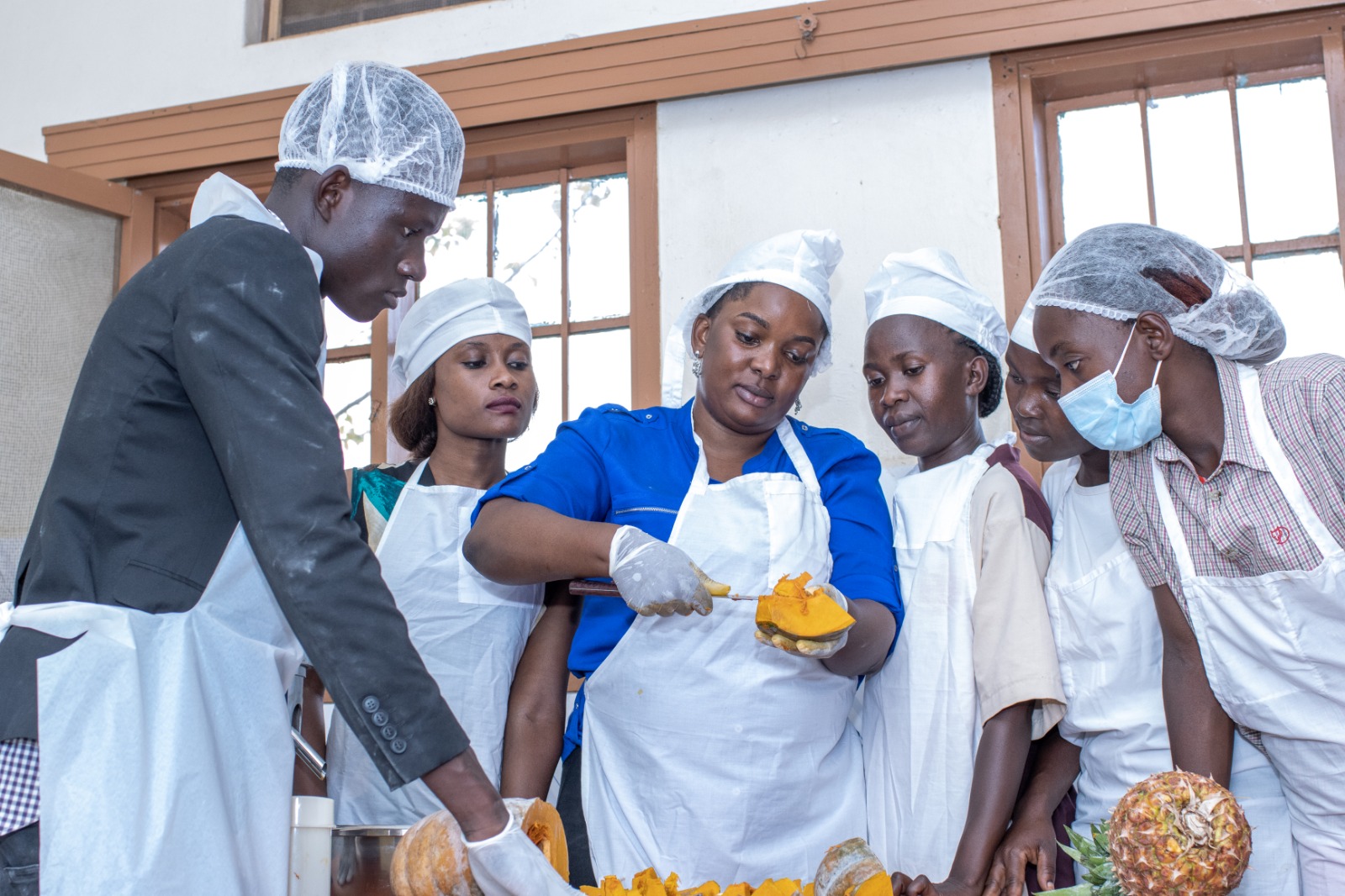
Founded in 2014 by Fatuma Namutosi, Byeffe Foods produces fortified composite porridges and flours using pumpkins and other locally available crops. Its products are supplied to schools, hospitals, NGOs, supermarkets, and retail outlets across Uganda — offering improved nutritional value while remaining accessible to everyday households.
Byeffe operates an integrated value chain that connects production, processing, and distribution, with a strong focus on affordability, quality, and nutrition.
Working with farmers, including refugees
At the heart of Byeffe’s model is its network of more than 3,500 smallholder farmers, primarily women and youth. Since 2023, this has included refugee farmers in Palabek settlement, who supply pumpkins under structured offtake arrangements.
Farmers in Byeffe’s supply chain benefit from:
- assured markets and fair pricing
- training in good agronomic and post-harvest practices
- growing demand for nutrient-rich crops
Refugees are part of this broader ecosystem — participating as suppliers alongside host communities, and increasingly as consumers of Byeffe’s fortified products.
“We were drawn to Byeffe because it’s a woman-led enterprise addressing a critical gap in local nutrition while creating real economic pathways for refugees and host communities alike. She’s built something that’s both financially sound and deeply impactful — demonstrating that refugee-inclusive businesses can be commercially viable while delivering transformative social outcomes” said Susan Tirop, iGravity’s Co-Head of Investments.
What the RIF investment supports
With RIF’s impact-linked financing, Byeffe plans to strengthen and scale its operations through:
- investment in processing infrastructure, including a hybrid solar drying facility inLamwoDistrict
- expansion of its supply chain engagement with refugee and host community farmers
- reduced post-harvest losses and improved efficiency
- continued access to affordable, nutritious food products
The investment is paired with technical assistance focused on impact measurement, farmer group strengthening, and business and financial systems.
Why this matters
Byeffe Foods reflects the type of enterprise RIF was designed to support:
commercially viable, locally embedded, and operating where traditional financing often falls short.
By backing businesses like Byeffe, RIF aims to support sustainable livelihoods, improved nutrition, and resilient local markets in displacement-affected contexts — not through short-term solutions, but by enabling enterprises that are built to last.
About the Refugee Investment Facility
The Refugee Investment Facility (RIF) is designed to support enterprises that operate in and serve displacement-affected communities by addressing the critical financing gap they face. Many of these businesses need capital that is larger than grants or microfinance, but more flexible and affordable than mainstream impact investing.
RIF provides impact-linked debt financing and technical assistance to locally rooted enterprises that contribute to sustainable livelihoods, economic inclusion, and resilience for refugees and host communities.
The facility is a partnership between iGravity, an independent investment and advisory firm specialising in innovative finance and impact-linked investment structures, and the Danish Refugee Council (DRC), one of the world’s leading humanitarian organisations working to protect and support displaced people and communities affected by conflict.